A Cup of Coffee Illustration for Crafters & Graphics
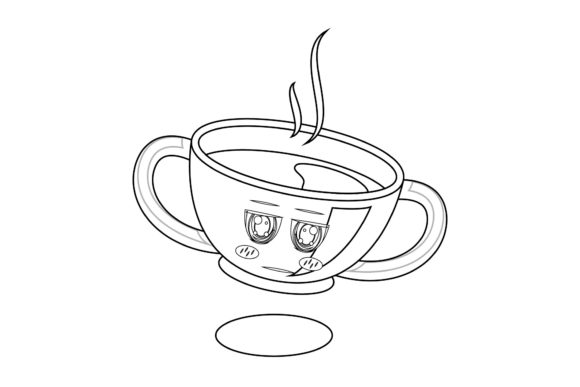
Opening up the files for A Cup of Coffee Illustration, my first thought was how perfectly it captures that cozy, comforting vibe. It’s not overly cute or fussy; it has a balanced, hand-drawn elegance that feels both decorative and premium. This mood suggests a handmade style that’s warm and inviting, which will absolutely attract customers looking for gifts that feel personal and thoughtful—think Etsy shoppers, coffee lovers, and anyone drawn to a cozy aesthetic.
Where This Coffee Illustration Shines in Your Crafting Workflow
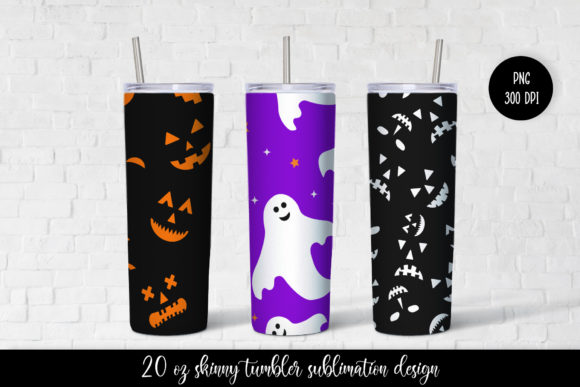
From a practical maker’s perspective, this graphic design asset is incredibly versatile. I immediately started picturing it in real projects. For my upcoming seasonal collection, it’s a perfect candidate for custom sublimation mugs and tumbler wraps. The artwork’s composition lends itself beautifully to being the central focus on a ceramic surface.
For my Cricut and Silhouette projects, the included SVG file means I can easily cut this design into vinyl for t-shirt designs or heat-transfer material for tote bags. I also see it working wonderfully as a sticker design, both as a standalone decal and as part of a planner sticker set. The scale is excellent for larger cut files on things like gift tags and party favor decorations.
Building Products Around a Cozy Illustration
Imagine you’re preparing for a craft fair or fulfilling a batch of Etsy orders. A Cup of Coffee Illustration can anchor a whole mini collection. Pair it with a simple sans serif font for a modern gift tag, or combine it with a flowing script font for a more elegant greeting card. I’d use the PNG with its clean transparency to create printable wall art or integrate it into digital scrapbooking pages. For small business branding, this illustration could become a lovely decorative accent on thank-you cards or handmade packaging, reinforcing that cozy, personal shop feel.
Practical Considerations Before You Craft
While this is a strong asset, there are a few craft-specific points to check before running a big customer order. Always test the file first. Load the SVG into your cutting software to see if the lines are clean and connected—this is crucial for avoiding weeding nightmares on intricate vinyl projects.
Preview the PNG transparency on both light and dark backgrounds if you’re planning sticker designs or print-on-demand products. For sublimation design, confirm the resolution is sufficient by printing a test on your preferred mug blank; sometimes scaling an asset up can reveal pixelation.
Applications Where This Design Works Best
- Large Format Items: Mug design, tumbler wraps, and tote bags where the details can shine.
- Printable Designs: Wall art, planner pages, and digital products where the 1920px x 1280px canvas size provides good clarity.
- Seasonal Bundles: Fall or winter gift products, where a coffee theme feels especially cozy.
- Personalized Items: Adding a name or message alongside the illustration for a custom touch.
- Product Mockups: Using the clean JPG to quickly create visuals for your Etsy shop or creative marketplace listings.
Uses That Require a Careful Approach
- Very Small Details: If you’re making tiny sticker sizes or jewelry, some fine lines might not translate cleanly.
- Low-Contrast Backgrounds: Placing it on similarly colored materials might lose impact.
- Crowded Compositions: Adding too many other elements around it could clutter the cozy, minimal feel.
- Layered Vinyl Projects: Multiple color layers from this single-color design would require manual separation.
Essential Crafter Notes for a Smooth Project
Your workflow will be smoother if you follow a few tried-and-true steps. After downloading the six files—the AI, EPS, SVG, JPG, PNG, and DXF—I always start by resizing the illustration for my specific product, whether it’s a mug or a shirt. This helps me spot any potential issues early.
Simplify the layout if needed. For a cleaner look on a small gift tag, I might use just the main cup element. Pairing A Cup of Coffee Illustration with different font styles is key: a serif font for a rustic feel, a sans serif for modern, or a handwritten font for ultimate warmth.
Most importantly, always confirm the commercial license terms before using any design asset for customer orders or handmade business products. Once that’s clear, place the design on real mockups or even print a physical sample. Seeing how it looks on the actual white or dark product material is the final, crucial test before committing to a production run for your small business branding or craft fair inventory. This one, with its timeless subject and well-executed files, has the potential to become a staple in your commercial design library.