A Designer's Review of the Vector Tea Cup Filled Outline Icon for Embroidery
First Impression: Simple Elegance with a Warm Personality
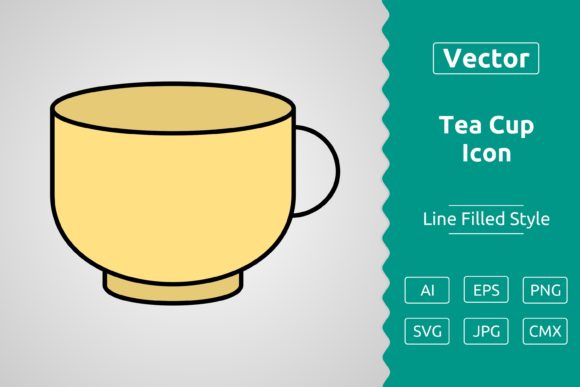
When I opened the files, the Vector Tea Cup Filled Outline Icon immediately felt like a quiet invitation to a cozy afternoon. It’s not a loud, ornate piece; its strength lies in its clean, confident outline and that simple, contained fill within the cup’s silhouette. The mood it creates is calm, friendly, and universally understood—a symbol of comfort, hospitality, or a personal passion. This isn’t a design shouting for attention on a garment; it’s more of a gentle, tasteful accent. Visually, the layout is balanced, and the detail level is just right for embroidery: not too sparse to look empty, not too intricate to become a stitching nightmare on certain fabrics. Its personality is classic and adaptable, making it feel like it belongs on a handmade gift for a friend or as a subtle branding element for a small cafe-themed business.
The Perfect Project Match: Where This Icon Shines
I pictured this icon embroidered on a linen tea towel or the corner of a cotton apron almost instantly. It’s a natural fit for kitchenware, cozy home decor, and personalized gifts. But its versatility surprised me as I thought further. Let’s walk through a real-life scenario: a client requests a custom embroidered tote bag as a wedding gift for a couple who loves hosting tea parties. The Vector Tea Cup Filled Outline Icon, stitched in a single elegant thread color on the bag’s front, would be perfectly understated and meaningful. It wouldn’t overwhelm the bag’s surface, and the clean lines would translate beautifully into satin stitch or a neat running stitch outline.
For small business merchandise and Etsy listings, this icon is a solid asset. Imagine it on the chest of a cotton sweatshirt for a boutique tea shop, or as a small embroidered patch on a baby blanket for a nursery-themed “little sipper” gift. For apparel decorators, it works well as a single-element design on caps—though the curved surface requires careful planning, as I’ll note below. In digital product previews and printable mockups, the high-quality transparent PNG and scalable vector files provided are invaluable. You can easily overlay this icon on photos of your finished products to create professional listings without having to stitch a sample first for every mockup.
Embroidery Performance: Where It Will Look Stunning
On stable, medium-weight fabrics like cotton canvas for tote bags, quilting cotton for pillow covers, or standard fleece for sweatshirts, this design will stitch out with excellent clarity. The outline is distinct, and the filled area inside the cup provides a nice opportunity for a subtle fill stitch or a simple satin stitch block, adding a touch of visual weight without becoming too dense. This balance enhances the product’s handmade presentation and perceived value—it looks intentional and professional, not amateurish. For giftability and customer trust, a clean, well-executed icon like this speaks to care and quality. On baby items like bibs or soft blanket corners, it creates a sweet, recognizable motif that parents appreciate. For holiday gifts like embroidered kitchen towels, it’s a timeless, non-seasonal design that feels personal and useful.
Caution Zones: Where to Plan Carefully
While versatile, this design demands some practical forethought in specific situations. The contained fill area and the outline corners mean you need to be cautious on highly textured fabrics like loose-knit sweaters, as small details can get lost. On very thin or stretchy fabrics, the stitch density must be appropriate and a good stabilizer is non-negotiable to prevent puckering. Embroidering on dark fabric requires a thoughtful thread color choice—a light thread for the outline and fill will pop, but you must test contrast.
The most careful application is on curved surfaces like caps and hats. The design’s shape needs to be hooped and positioned correctly to avoid distortion. Also, if you intend to scale this icon down for very small hoop sizes—say, for a tiny accent on a cuff or collar—inspect the small details. The fill area and the outline need to remain clear; scaling it too small might make the fill look muddy. For products that will undergo frequent washing, like aprons or tea towels, ensure your stitch type and thread are durable. A dense fill stitch in that cup area might not hold up as well as a simpler running stitch outline over time.
How This Icon Affects Your Business & Craft
From a commercial perspective, using a clean, well-designed vector icon like this boosts brand consistency. If you’re a creative entrepreneur selling a line of kitchen-themed products, this same icon can be embroidered on towels, printed on labels, and used in your digital marketing, creating a cohesive look. For buyer engagement, a simple, relatable symbol like a tea cup can quickly connect with a customer’s own interests, making your product more appealing. It feels professional and designed, not randomly selected. For craft fair products or small shop merchandise, it’s a quick-to-produce design that can be personalized with thread color, increasing your production efficiency without sacrificing uniqueness.
Practical Notes from the Embroidery Hoop
Before you load this embroidery file into your machine for a client’s pillow cover or your own tote bag line, here are my grounded, step-by-step suggestions. First, test the design on scrap fabric first. Use the same fabric and stabilizer you plan for the final product. This reveals how the fill and outline actually translate into stitches. Check thread color contrast by stitching a sample on both light and dark scraps. Review the stitch density in your machine embroidery software; the provided CMX and SVG files should give you control over this. Confirm the hoop size you’ll need—the design’s scale will dictate this.
Since the product description lists multiple high-quality vector and image formats, you have flexibility. The AI and EPS files are fantastic for any pre-embroidery graphic editing or combining with other elements for a patch design. The JPG and PNG are perfect for creating digital previews. However, as a responsible designer, you must check whether the design works for both personal and commercial projects and confirm licensing before selling finished items or digital products. The product description does not specify license terms, so it is crucial to verify this with the seller or platform. Do not assume. This protects your business and respects the creator.
Finally, think about the final product’s context. Will this embroidered tea cup be on a gift that needs to feel premium? Then use higher-quality thread. Is it for a playful baby item? Then perhaps choose softer, pastel colors. The Vector Tea Cup Filled Outline Icon is a beautifully simple tool. With practical testing and mindful application, it will become a reliable, appealing part of your embroidery project repertoire, adding that touch of handmade warmth that customers and gift recipients genuinely love.