Why This Coffee Cup Clipart Is a Designer’s Secret Weapon
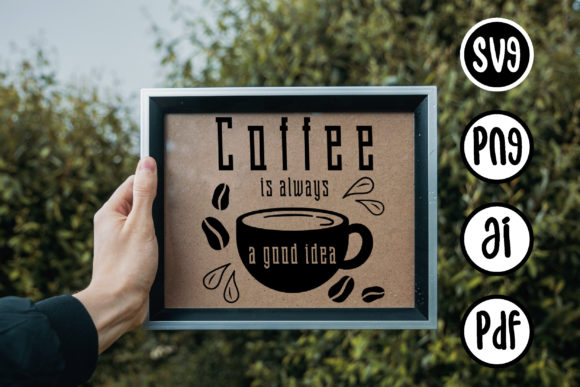
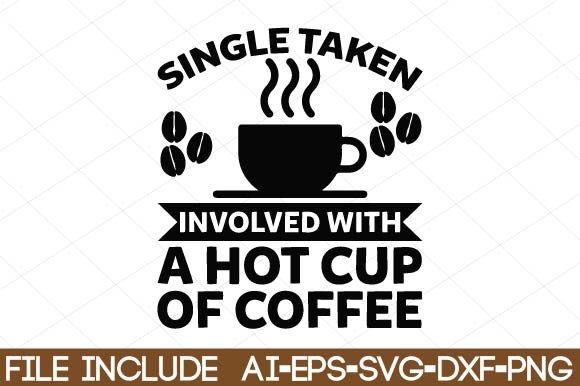
When reviewing assets for a client project, the first impression is everything. Upon opening Coffee Cup Clipart, my immediate reaction was that this wasn’t generic stock art. The hand-drawn character felt instantly warm and inviting. It evoked a cozy, artisan mood—perfect for the boutique, handmade, or small business space. The style leans towards friendly illustration rather than stark minimalism, making it a natural fit for clients who want their branding to feel personal and approachable.
From Mood Board to Mockup: Where This Graphic Excels
I recently worked on a visual identity for a new local coffee roastery. The client needed a brand that felt authentic, not corporate. Coffee Cup Clipart became a central element in our exploration. Its organic lines provided a tactile foundation for their entire look.
In real design situations, this asset proves incredibly versatile. For logo design, it could serve as a charming secondary mark or icon. In brand identity, it anchors social media graphics and website hero sections with a consistent, warm motif. For product labels and packaging design, especially for items like ceramic mugs or artisan food goods, it adds a decorative accent that feels bespoke. It translates beautifully into posters, flyers, and invitations for cafe events or seasonal campaigns. For merchandise like t-shirts, tote bags, or sublimation designs, the artwork’s balanced detail ensures it scales well for print. As a digital design asset, it creates engaging Pinterest pins, Instagram posts, and Canva templates that stand out through their handmade quality.
The Perfect Project Fit: Crafts, Graphics, and Commercial Appeal
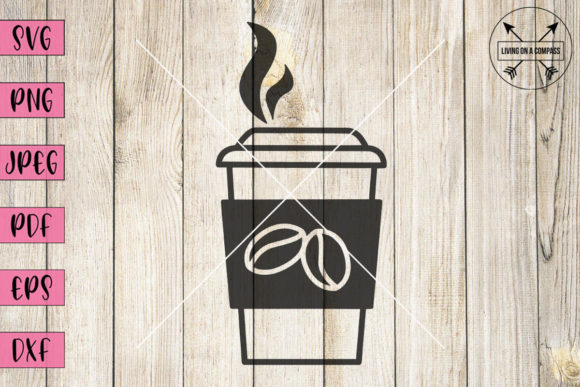
This graphic design asset finds its strongest home in projects requiring emotional appeal. It works best as a hero graphic on a website landing page, a focal point in product mockups, or a recurring decorative accent across a themed collection—think a winter holiday campaign or a spring launch. For printable designs like wall art or stickers, and for Cricut projects cutting vinyl for shop windows, the included file formats—SVG, JPEG, PNG, EPS, DXF, and PDF—are crucial. Knowing these cut files are compatible with Cricut Design Space, Silhouette Studio, and laser machines means I can propose it for physical crafts with confidence, expanding its use beyond purely digital realms.
Designer Considerations: Where to Apply With Care
While versatile, every asset has boundaries. For Coffee Cup Clipart, its detailed, illustrative nature requires careful application in certain contexts. In small sizes, such as tiny app icons or footer graphics, some fine lines might lose clarity. In crowded layouts with complex backgrounds, it could compete with other elements rather than complement them. For low-contrast designs or minimalist branding seeking a very clean visual hierarchy, it might introduce too much texture. It’s not the right choice for highly professional corporate materials where sleek abstraction is preferred. The key is to let it support the mood, not dominate the structure.
How This Asset Shapes Brand Perception
Integrating such clipart into a project directly affects readability, hierarchy, and brand consistency. When used as a supporting brand element, it builds visual trust through its original, non-generic appearance. It boosts recognition by providing a memorable, repeatable icon. Its emotional appeal fosters audience engagement, making a brand feel relatable. Ultimately, it elevates the professionalism of a project by providing a polished, cohesive illustration rather than a disparate collection of elements. The overall impression becomes one of thoughtful, creative design.
Practical Designer Notes Before Client Use
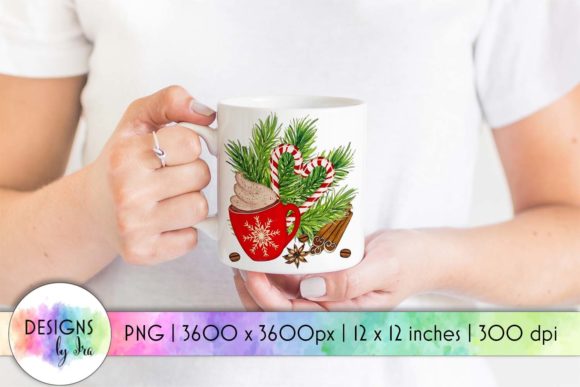
Before committing this asset to a real client project, I run a series of standard checks. First, test it in black and white to ensure it holds its form without color dependency. Check contrast by placing it on both light and dark backgrounds. Preview it at small and large sizes to confirm scalability. Crucially, place it on real mockups—a t-shirt template, a mug mockup, a website header—to see it in context.
For print-on-demand sellers or digital sellers, test print quality using the high-resolution files. Review all file formats; the PNG with transparency is invaluable for layering over photos in social media graphics, while the SVG vector file allows for color edits and scaling without loss, essential for adapting the artwork to different campaign needs. Compare it with different font styles: it pairs beautifully with a friendly script font for a bakery brand, or a clean sans serif for a modern craft beer label, but might clash with a formal serif.
The final, non-negotiable step is to confirm the commercial licensing. Using any graphic for a client or business project requires clear commercial rights. This assurance allows me to recommend it confidently for Etsy products, printable products, marketing visuals, and commercial design assets without legal hesitation.
Beyond the Screen: A True Multi-Format Asset
The description notes this is original hand-drawn digital artwork available in SVG, JPEG, PNG, EPS, DXF, and PDF format. This multi-format offering is what makes it a professional-grade graphic. The EPS and PDF files are staples for traditional print and editorial design, while the DXF speaks to the craft and maker community. It’s a design bundle that bridges the digital and physical worlds, supporting everything from web design to laser-cut wooden signs for a cafe.
In conclusion, Coffee Cup Clipart isn’t just a file; it’s a design direction. For designers, brand owners, marketers, and crafters working on projects that benefit from warmth, authenticity, and a handmade touch, it provides a robust, editable foundation. It helps the final result feel more polished and cohesive, turning a simple concept into a compelling visual story. In the right project, it’s not merely suitable—it’s transformative.