Coffee Cup, Vector Sketch: A Designer's Embroidery Review
I'm in the middle of planning a new line of embroidered cotton tea towels for a small coffee shop's merchandise shelf, and I've been hunting for a design that feels both effortless and intentional. The Coffee Cup, Vector Sketch stopped me. It's not a polished, hyper-realistic rendering—it's a sketch, and that's exactly what makes it charming. As an embroidery designer who lives in the space between a digital file and a stitched-out finished product, I see a lot of promise here. The description lists the essentials: AI, EPS 10, SVG, PNG, and high-resolution JPG formats. That editable vector source is a gift for anyone who digitizes their own machine embroidery designs. But before I commit to a full production run of personalized gifts, I need to walk through how this illustration might actually behave when it becomes thread and fabric.
First Impressions: A Sketch That Feels Like a Morning Ritual
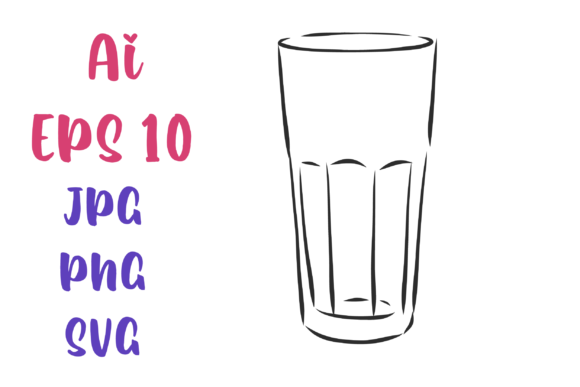
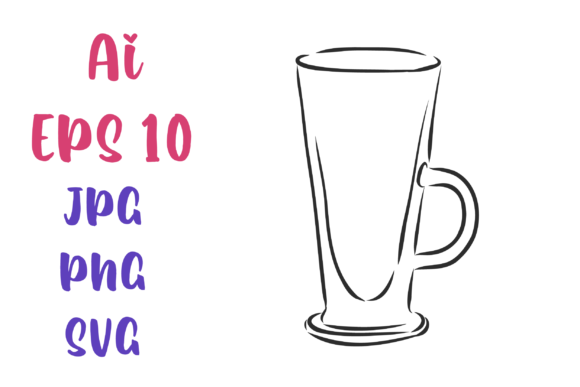
The Coffee Cup, Vector Sketch carries a relaxed, hand-drawn mood. It’s not trying to be a photograph—it leans into loose lines, slight irregularities, and a warm, approachable silhouette. That visual personality translates beautifully into embroidery. A sketchy outline often works best with a simple running stitch or a narrow satin stitch, giving the finished product a soft, artisanal look. The coffee cup motif is instantly recognizable, and the absence of heavy fill areas means the design won't pucker lightweight fabrics as easily. I immediately picture it on a natural linen apron, a set of cream-colored tea towels, or a cozy sweatshirt. It’s the kind of design that makes a handmade product feel boutique, not generic.
Why This Design Works So Well for Handmade Embroidery Projects
The beauty of a sketch-based illustration is its flexibility. The Coffee Cup, Vector Sketch isn’t locked into one rigid style. Because the file package includes fully editable AI and EPS 10 formats, you can enlarge the coffee cup without losing quality, tweak the line thickness, or even remove a few steam lines if you want a cleaner look before digitizing. The SVG format is a dream for those working with embroidery software that accepts vector paths. The high-resolution JPG and transparent PNG are immediately useful for creating printable mockups, listing photos for Etsy, or showing a client how the design will sit on a tote bag. I’ve learned that a transparent PNG alone can save an hour of background removal work when I’m preparing a digital product preview.
Real-Life Embroidery Uses: Where the Coffee Cup Shines
I mentally run through my typical project list every time I evaluate a design. Here’s where this sketch would land naturally:
- Custom kitchen towels and tea towels – The theme is obvious, and the sketchy style pairs perfectly with rustic or modern farmhouse kitchens.
- Canvas tote bags – A single coffee cup embroidery on a sturdy tote is a crowd-pleaser for boutique shoppers and coffee lovers.
- Aprons – A subtle placement near the waist or chest adds a professional, handmade touch for a small café or a home baker.
- Sweatshirt and t-shirt embroidery – The low-stitch-count nature of a sketch means the garment stays soft and drapey, not stiff.
- Baby and toddler apparel – A tiny coffee cup on a onesie? It’s a playful, cozy statement for parents who run on caffeine.
- Embroidered patches – Digitize the design with a neat border, and it becomes a sew-on or iron-on patch for jackets, caps, or backpacks.
- Pillow covers and nursery decor – A warm, neutral coffee cup fits into a relaxing corner of the home.
- Holiday gift sets – Combine the design with a matching mug or a bag of coffee beans for a thoughtful, handmade present.
In each case, the Coffee Cup, Vector Sketch gives the finished product a sense of care. It doesn’t scream “mass-produced.” It whispers “someone made this for you.”
Critical Considerations Before You Stitch on Tricky Fabrics
No design is perfect for every scenario, and realistic evaluation means pointing out the situations where you’ll need extra caution. The sketchy nature of the Coffee Cup, Vector Sketch can be a double-edged sword. On heavily textured fabrics like terry cloth or a thick fleece, the fine lines of steam or the delicate handle detail might get lost. You’ll need to test stitch density and possibly simplify the digitized version. Small hoop sizes are another concern: if you shrink the design too much, the sketchy strokes can merge into a blob. I’d stay at least 3 inches wide for the main coffee cup shape. Stretchy fabrics, like performance tees, demand a solid cutaway stabilizer so the design doesn’t distort. And dark fabric? Please test a white or light thread outline first—the contrast is everything. Without it, the charming sketch could turn into a ghostly smudge.
Stitch Quality, Detail, and Customer Perception
When a customer picks up a towel or a sweatshirt with this design, they won’t think about digitizing—they’ll just feel the texture and see the image. The Coffee Cup, Vector Sketch has a natural, unforced quality that boosts perceived value. A sketch says “artisan” and “original,” which is precisely what many Etsy sellers and small shop owners want to communicate. The visual appeal comes from its simplicity, so your stitch execution must be clean. I’d lean toward a soft matte thread for the outlines, maybe a subtle variegated thread to mimic the look of ink or pencil. The fill stitch, if you choose to add any shading, should be minimal—a light fill on the cup body can work, but I’d keep the steam lines as a single running stitch to preserve the airy feel. The result is a machine embroidery design that feels hand-drawn, which is a powerful selling point for a personalized gift or a boutique product.
Practical Designer Notes for a Flawless Finished Product
I never skip my pre-production checklist, and I’d recommend the same for anyone using the Coffee Cup, Vector Sketch. Here’s what I’ll do before a single towel or tote bag goes to a customer:
- Test on scrap fabric first. Match the fabric type you’ll use for the final product—linen, cotton, fleece, canvas—and run a stitch-out.
- Check thread color contrast. Hold the stitched scrap against the actual base fabric under different lighting. A design that looks great on a screen might fade into the background once stitched.
- Review stitch density. The sketch style works best with a lighter hand. I’ll digitize the outline as a narrow satin or backstitch, not a dense fill, unless the cup body needs a decorative touch.
- Confirm hoop size. Because the illustration is vector, I can scale it precisely. I’ll measure the largest hoop I have and never force the design into a tiny frame.
- Inspect small details. The coffee cup handle, any subtle steam lines, and the rim need to translate cleanly. I often enlarge those areas in my digitizing software to make sure no path is too close to another.
- Test in black and white. A quick mockup with no color tells me if the design still reads as a coffee cup. It’s a brutal but necessary test for embroidery.
- Use the right stabilizer. For woven fabrics, a medium-weight tear-away often works. For knits, I’ll go with a fusible cutaway. Don’t guess—test.
- Verify commercial licensing. The product description gives me editable AI and vector files, but I need to confirm that the license allows me to stitch the design on items I sell. Most illustration assets permit physical product creation, but I always double-check before scaling up a craft business.
The File Package: What You Actually Get and How to Use It
Let’s be clear: the Coffee Cup, Vector Sketch is not an embroidery file. There’s no PES, DST, or EXP included. What you receive is a set of illustration and design assets: AI, EPS 10, SVG, high-resolution JPG at 300 dpi, and a transparent PNG. For embroidery designers, the AI and EPS files are the real treasure. They’re fully editable, so you can isolate the coffee cup outline, adjust the stroke weight, or even split the design into layers for an applique approach. The SVG imports directly into many digitizing programs, saving you the headache of auto-tracing. The JPG and PNG are perfect for presentation: I often use the transparent PNG to create a digital mockup of an embroidered sweatshirt before I ever turn on the machine. This file package is practical, not bloated, and it respects the workflow of a maker who needs to convert a graphic into a stitch-ready design.
Final Thoughts on Coffee Cup, Vector Sketch for Embroidery
After spending time with this illustration, I’m confident it earns a place in my embroidery project library. The Coffee Cup, Vector Sketch is a versatile, warm, and authentically hand-drawn asset that will elevate a range of handmade products. It’s not a magic bullet—you still need to digitize, test, and choose the right fabric. But for a designer who values a clean, sketchy aesthetic that resonates with customers looking for a personalized gift, a cozy kitchen accessory, or a small shop product with heart, this design is a strong choice. I’ll be using it on those tea towels, and I’m already thinking of a matching set with a tiny embroidered coffee bean on the corner. That’s the kind of creative spark a good design should give you.