Cute Cookies Holding a Coffee Cup: A Designer's Real-World Review
Whenever a new design lands in my library, I immediately picture it on a finished product. I'm not just looking at a graphic; I'm evaluating a potential asset for my embroidery business or my next client project. So, when I sat down to consider 'Cute Cookies Holding a Coffee Cup', my first question was simple: where would this actually shine?
The Immediate Mood and Where It Fits
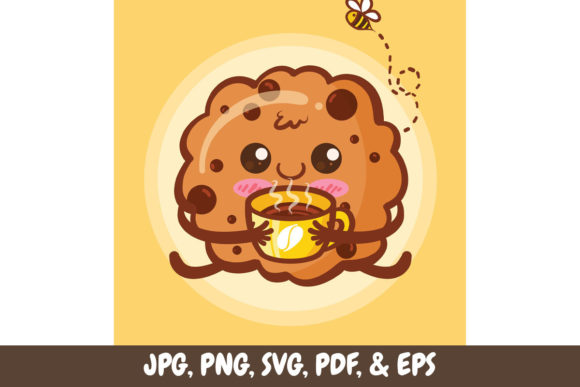
The first impression here is pure, playful warmth. The theme is a clever mash-up of cozy beverage culture and sweet treat charm. The cartoon style is friendly and approachable, not overly detailed, which is a significant plus for embroidery. This personality feels perfect for projects meant to convey comfort, kindness, or a little lighthearted humor. I instantly thought of gifts—a birthday present for a coffee-loving friend, a welcome gift for a new neighbor, or a cheerful addition to a boutique's kitchenware line.
The layout, with its central character focus, suggests it's meant to be a standalone feature. This isn't a busy, all-over pattern; it's a hero graphic. That makes it a natural candidate for a tote bag's front panel, the center of a pillow cover, or prominently placed on an apron. For small business owners, this kind of clear, mood-setting illustration can become a signature piece for a specific product line, like a series of 'cozy kitchen' embroidered tea towels.
Performance in Real Embroidery Projects
Let's walk through a real scenario. Imagine I'm preparing a custom embroidered sweatshirt for a client's small coffee shop. They want something unique for their staff aprons or as a merchandise item. Using 'Cute Cookies Holding a Coffee Cup' as the main embroidery design, I'd consider its application.
The provided image size—above 8000 pixels—is a good starting point. It offers flexibility for scaling up or down without losing basic clarity, which is crucial for creating a clean embroidery file. The availability of both PNG and JPG files means I can easily create digital product previews or printable mockups for my Etsy listings or client presentations before I even stitch a thread.
For apparel like sweatshirts or t-shirts, the design's rounded shapes and open areas are favorable. They likely translate well into satin stitches for the cookies and cup outlines and fill stitches for the larger areas, resulting in a textured, tactile finish that enhances the handmade feel. On a tote bag made from canvas or cotton, the design would pop with good thread color contrast, adding perceived value to a simple product. For baby items, like a soft blanket or a knit hat, its gentle, sweet theme would be a hit, but careful consideration of stitch density and fabric texture becomes paramount.
Careful Application: Where to Be Mindful
No design is universally perfect for every base. The charm of these cookies and cup relies on clear, recognizable forms. On very small hoop sizes, the finer details—like the cookie's dotted eyes or the cup's smile—might become less distinct if the stitch translation is too dense. Embroidering on textured fabrics, like certain linens, or on dark fabrics where you need to use lighter thread, requires a test run to ensure the cheerful expression remains visible.
Stretchy fabrics, like for certain caps or fitted t-shirts, demand excellent stabilizer use to keep the design from distorting, especially those circular cookie shapes. Similarly, on curved surfaces like a baseball cap's front panel, the layout needs to be positioned so the character's face isn't warped by the curve. For products destined for frequent washing, like kitchen towels or aprons, a robust stitch construction is needed, so testing on scrap fabric first to check durability is a non-negotiable step for any professional.
Impact on Your Business and Customer Appeal
From a commercial perspective, 'Cute Cookies Holding a Coffee Cup' taps into a highly relatable aesthetic. For creative entrepreneurs selling handmade products, this can directly influence buyer engagement. A well-embroidered version on a pillow cover feels giftable and personal. For an apparel decorator, it offers a fresh, non-generic option for custom orders, helping build customer trust through unique offerings.
Its professionalism hinges on your execution. A clean stitch result makes the design look like a premium, intentional brand asset. A messy one, from poor file setup or unsuitable fabric choice, undermines it. It has the potential for strong recognition—it's a specific, memorable scene. For digital product sellers offering the embroidery file itself, clear mockups showing it on realistic products (like a tote bag or sweatshirt) are essential to convey its practical value to other makers.
Practical Notes for the Embroidery Designer
Before you run this design, here's my standard process checklist. Always test on a scrap of your target fabric first. Play with thread color contrast—does a dark brown cookie on a cream fabric work better than a light brown? Review the stitch density in your digitized file; are small areas like the cup handle too packed? Confirm your hoop size can accommodate the design at the scale you want for good clarity.
Inspecting small details in your embroidery software is key. Does the smile translate into a clean running stitch? Test the design in simple black and white mockups to see if the forms hold up without color. Compare how it looks conceptually on both light and dark backgrounds to plan your thread palette. Use the proper stabilizer for your fabric type; this is not a step to skip.
Finally, and critically, check the licensing terms provided with this graphic. Confirm whether it's cleared for both personal and commercial embroidery projects before you sell finished items like patches or tote bags, or before you sell the digitized embroidery file itself as a digital product. The file formats you receive are for the graphic illustration; creating a functional machine embroidery file from it is your next task.
A Final Thought on Real Project Use
'Cute Cookies Holding a Coffee Cup' is more than a cute graphic. It's a potential project catalyst. Its strength lies in its thematic clarity and friendly demeanor. In my view, it's best suited for products where that warmth is the primary message—gifts, home decor, personal apparel, and small shop merchandise with a cozy brand vibe. Approach it with a practical eye, respect the constraints of embroidery, and it can become a delightful and profitable part of your craft business or client work.